For Australian travellers, arriving in Buenos Aires feels simultaneously exotic and disarmingly familiar. The seasonal rhythms mirror our own: when southern Australia cools into autumn, the sprawling plane trees and jacarandas of Argentina’s capital turn gold and drop their leaves across wide, European-scale boulevards. Yet beneath the French neoclassical facades and Italianate porticos lies a distinctly South American tempo that rewards visitors on foot.
Getting here from Australia is straightforward. Trans-Pacific connections run via Santiago with LATAM and Qantas out of Sydney and Melbourne, or via Auckland on Air New Zealand. While the crossing covers considerable ocean, touchdown puts you into a city designed for pedestrian exploration, where neighbourhood life unfolds around corner cafés, family-run steakhouses, and shaded public squares.
The 2026 Payment Reality: Ditching Cash Anxiety for the MEP Rate
Travellers researching Argentina often encounter outdated advice warning that credit cards trigger punitive exchange rates, accompanied by dramatic instructions to bring stacks of crisp US dollar bills into downtown money-changing parlours (cuevas).
In practical terms, that advice is obsolete. Foreign-issued Visa and Mastercard transactions automatically clear at the official tourist MEP rate (Mercado Electrónico de Pagos). When an Australian debit or credit card is tapped at a restaurant, supermarket, or boutique hotel, your bank converts the charge at a rate exceptionally close to the blue-chip market rate, entirely through legal banking rails.
A modest reserve of cash remains useful for street kiosks, tipping (a standard 10% cash gratuity, or la propina, left on the table is customary etiquette), and recharging a SUBE transit card for the subway (Subte). For everyday expenses, a low-fee travel card handles transactions cleanly without the friction of carrying large cash rolls.
The Neighbourhood Circuit: Walkable Barrios with Distinct Characters
Buenos Aires is a mosaic of autonomous barrios, each retaining distinct architectural heritage and street cultures. Connecting them via walking corridors reveals the city’s evolving history.
1. Palermo Soho & Hollywood: Cobblestones, Design & Coffee
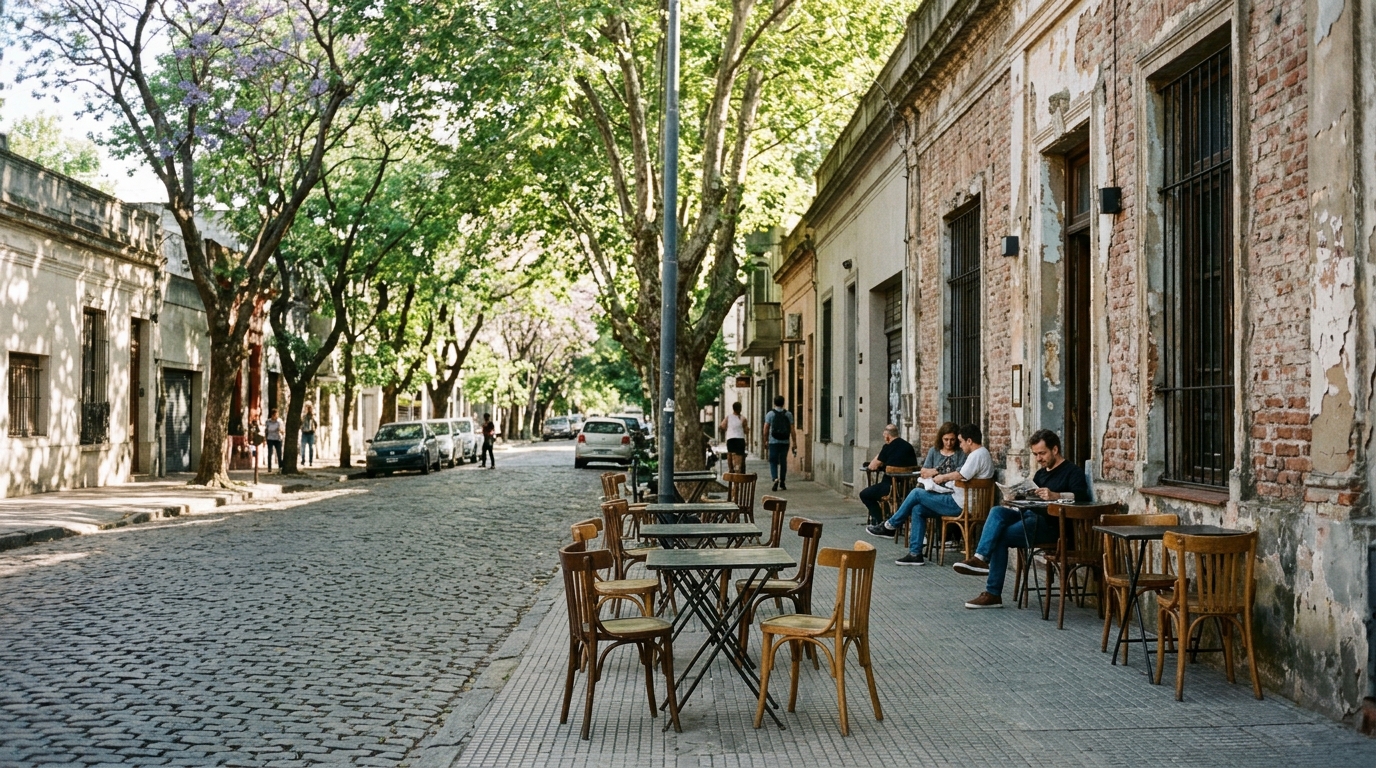
Palermo is the city’s creative engine. Subdivided into Soho and Hollywood, this leafy enclave features low-rise, 19th-century brick townhouses converted into independent fashion ateliers, artisan leather workshops, and specialty coffee roasters. Cobblestone side streets provide quiet respite from wider urban thoroughfares, making it an ideal central base for independent exploration.
2. Recoleta: Neoclassical Grandeur & Historic Cafés
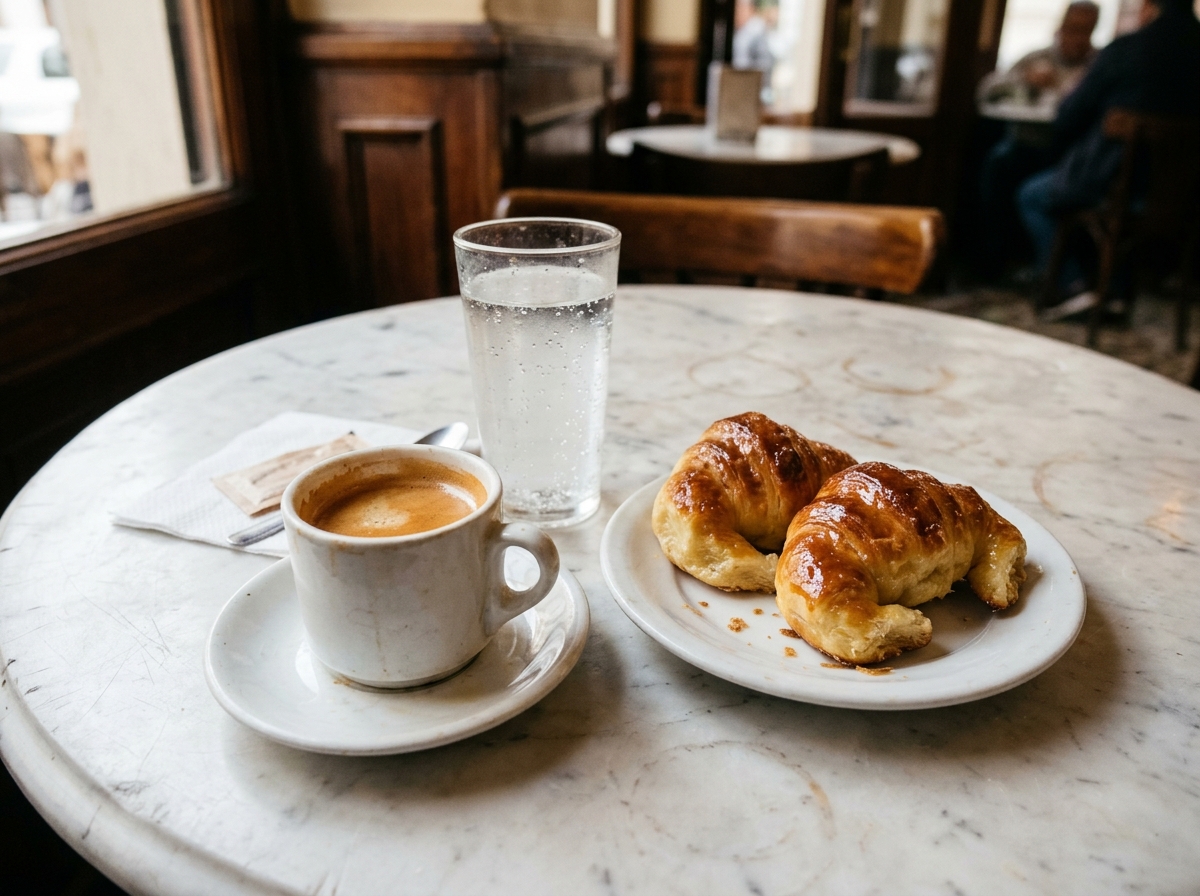
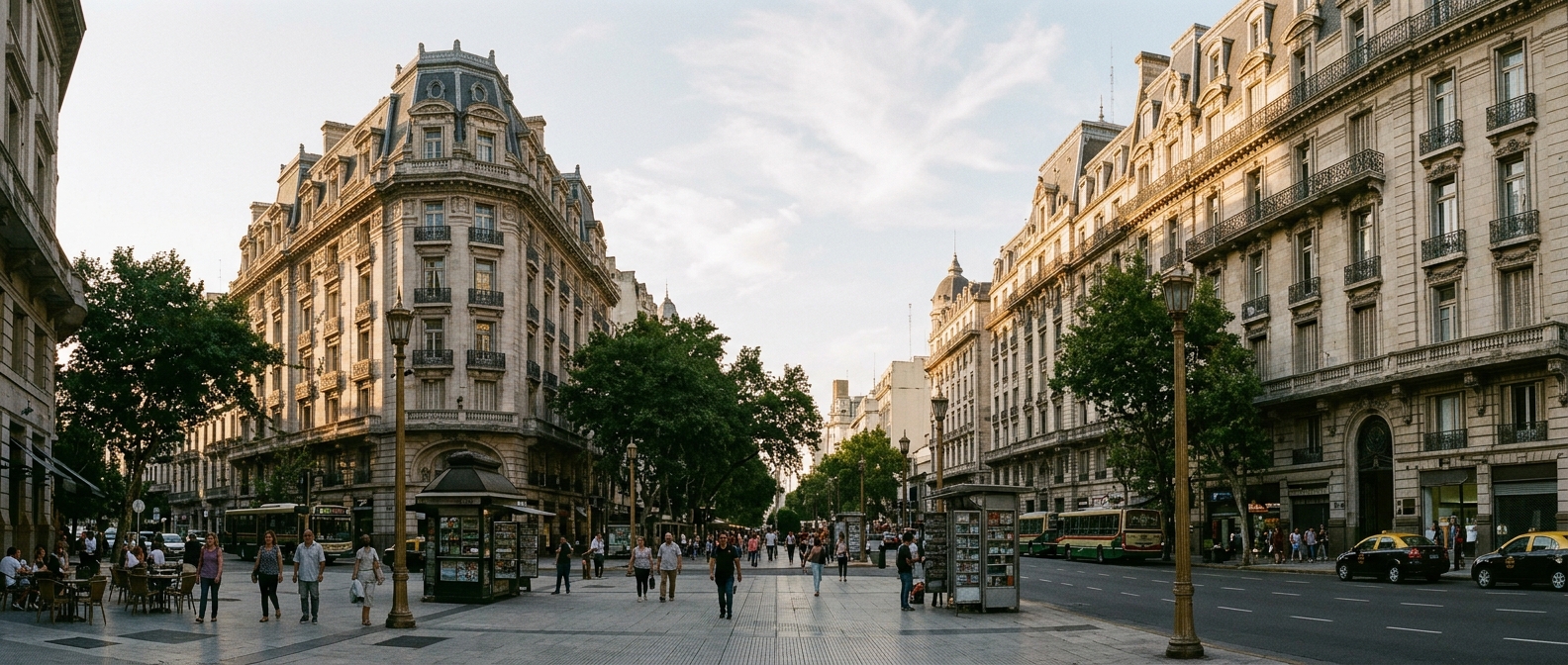
Directly east of Palermo, Recoleta evokes late-nineteenth-century Paris. Grand stone apartment blocks with wrought-iron balconies line broad avenues. Beyond the celebrated marble mausoleums of the Recoleta Cemetery, the barrio’s cultural anchor is La Biela, a historic café where literary figures once gathered. Settling into an outdoor terrace with a mid-morning espresso and warm pastries remains one of the city’s enduring contemplative rituals.
3. San Telmo: Antiques, Colonial Bones & Sunday Rhythms
As the oldest residential quarter in the capital, San Telmo maintains a weathered charm. Centred around Plaza Dorrego, the neighbourhood comes alive on Sundays during the famed antiques fair, where street vendors display silver mate gourds, vintage seltzer siphons, and mid-century ephemera. Away from commercialised dinner-theatre venues, authentic tango culture thrives here in casual neighbourhood dance halls (milongas).
Dining Customs: Navigating the Parrilla and the Afternoon Merienda
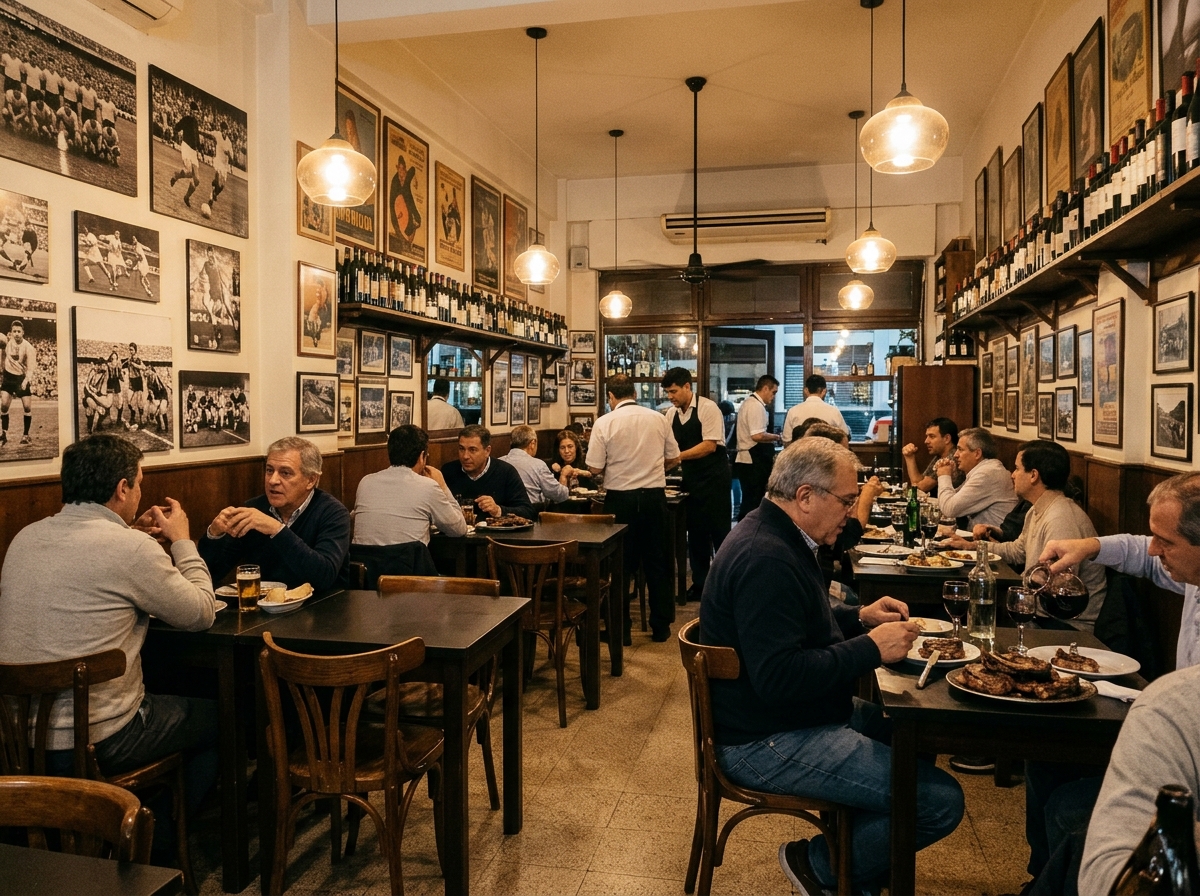
Dining in Buenos Aires operates on a southern Mediterranean timetable. Lunch runs from 1:00 pm to 3:30 pm, while evening dining rarely starts before 9:00 pm. Understanding this cadence is the secret to eating well:
- The Parrilla: Traditional steakhouses cook grass-fed cuts over glowing wood coals. Skip standard sirloin and order ojo de bife (ribeye) or entraña (skirt steak), cooked a punto (medium-rare) and served alongside house-made chimichurri and salsa criolla.
- The Bodegón: These bustling, unpretentious neighbourhood canteens serve generous portions of milanesas napolitanas, Spanish tortilla, and rustic pastas reflecting Italian migration heritage.
- The Merienda: Bridging the gap between lunch and late dinner, the 5:00 pm merienda is an essential social pause. Step into any traditional café for a cortado (espresso cut with a splash of hot milk) paired with fresh medialunas or layered alfajores filled with authentic dulce de leche.
Street Smarts & Local Etiquette
Buenos Aires is an active metropolis that calls for sensible urban precautions rather than fear:
- Smart Device Awareness: Avoid placing smartphones or cameras on the street-facing edges of outdoor dining tables. When navigating footpaths, keep handsets tucked away in secure bags rather than in loose open pockets.
- City Transit: Licensed black-and-yellow radio taxis can be hailed on the street, but rideshare apps like Uber and Cabify offer transparent pricing and route tracking charged directly to your card.
- Language Nuances: Porteños speak Castellano Rioplatense, recognisable by its Italian cadence, the use of vos instead of tú, and pronouncing double-L (ll) and y as a soft “sh”. A few basic courtesies go a long way; check our guide on practical conversational Spanish before departing.
For local cultural connections and Hispanic community initiatives across Australia, visit the curated Australian Hispanic Directory.
Essential Gear & Travel Resources
- Power Connectivity: Argentina uses Type I electrical plugs (identical pin shape to Australia, though reversed polarity on unearthed sockets). A certified multi-country adapter or dedicated Type I Travel Adapter ensures safe charging across older boutique hotels.
- Urban Security: Keep daily essentials secure on crowded subway platforms with an anti-theft, cut-resistant RFID Crossbody Travel Sling.
- Boutique Accommodation: Compare verified central apartments and hotels across Palermo Soho and Recoleta on Booking.com.